Merch Has Become Cultural Currency
Modern brand merch has evolved from disposable swag into cultural currency by translating core brand truth into wearable community.
Curated by The Between Us desk · 09 October 2026 · 3 min read
Modern brand merch has evolved from disposable swag into cultural currency by translating core brand truth into wearable community.
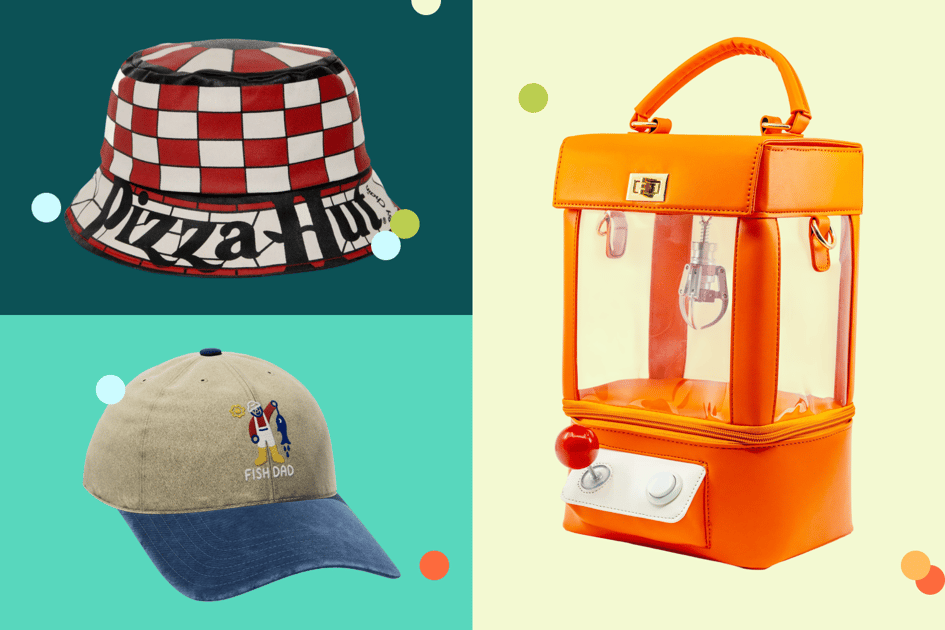
There was a time when corporate merchandise existed purely as promotional collateral: cheap pens, scratchy cotton T-shirts, and disposable totes handed out at trade shows. Most of it wound up at the back of a closet or in a landfill. Today, that calculus has inverted. In an era where consumers view personal style as cultural curation, branded apparel has transformed from promotional noise into genuine social currency.
The distinction between wearable pride and landfill fodder comes down to a simple strategic question: are you asking someone to be an unpaid billboard, or are you handing them a conversation starter?
For Steve Milton, chief executive of the lifestyle brand Chain, the answer lies in translating inherent brand truths into fashion. When Chain collaborated with Pizza Hut, they did not just print a logo on a cap; they designed bucket hats echoing the stained-glass Tiffany-style lamps that defined the chain’s vintage dining rooms. Nostalgia resonates, Milton points out, but only when grounded in an emotional truth consumers already hold dear. Jumping on aesthetic trends without that underlying equity is a fast route to irrelevance.
The modern playbook also relies heavily on collaborative friction. Consider tinned-fish darling Fishwife, which partnered with Whole Foods on an illustrated tote that vanished from shelves in a single week. Co-founder Becca Millstein recognized two distinct drivers: an existing overlap in obsessive fandoms and a commitment to tangible quality in a market flooded with flimsy giveaways. When Fishwife teamed up with Keystone Light for a fishing tackle box, the appeal was entirely different – an unexpected cross-category pairing that opened doors to entirely new demographics. As Millstein notes, every drop must ask whether it enriches brand perception or dilutes it.
At Chili’s, that friction thrives in niche subcultures. Vice president of marketing Jesse Johnson oversaw collaborations like the Tecovas “Booth Boots” – crafted from the restaurant’s booth leather, which sold out in five minutes – and a country-club apparel line with Rhoback. The latter was born from a genuine consumer insight: golfers frequently hit Chili’s as their informal “19th hole.” When mass volume calls, such as their wildly popular Marg of the Month club, Chili’s handles production in-house. But when entering specialized subcultures, borrowing authentic credibility via partnerships is essential.
The lesson for marketers is straightforward. Nobody is sitting around waiting for another corporate logo drop. A successful merch strategy is not an exercise in product placement; it is a test of cultural relevance. If an item cannot stop someone on the street out of sheer delight, it probably has no business leaving the drawing board.