When an algorithm can synthesize your product descriptions, press releases, and customer reviews into a single conversational answer, where does your brand actually live? For years, marketers treated brand strategy as a polished document dusted off during campaign kickoffs. But as large language models become the default intermediaries between businesses and consumers, that passive approach is no longer tenable.
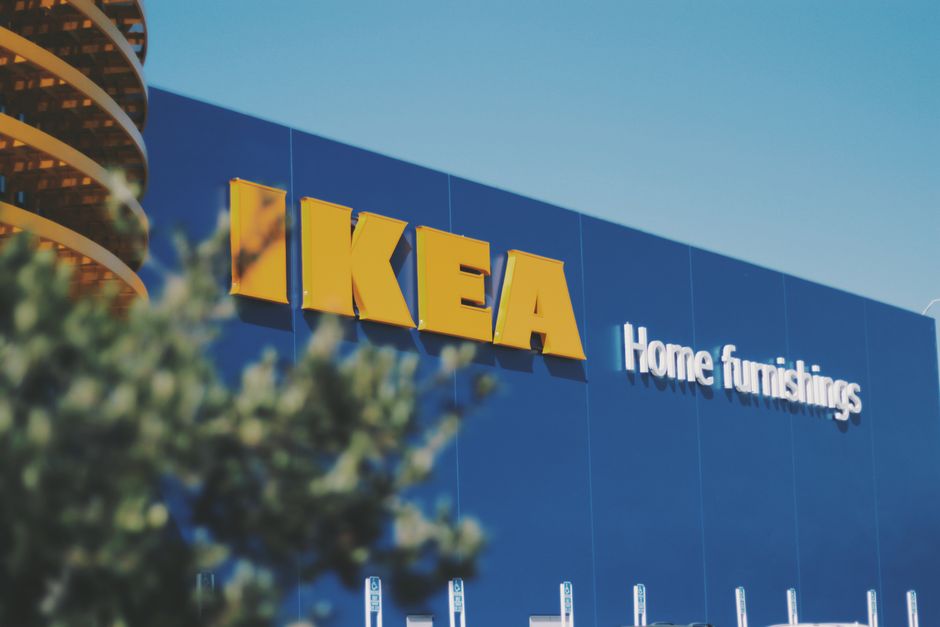
At IKEA, the response to this shift is instructive. Global CMO Vincenzo Riili has established a deliberate boundary: artificial intelligence is an engine for distribution, scale, and localization, not an author of brand meaning. The retailer is rolling out its AI initiatives in distinct phases. The first focuses strictly on productivity, such as translating and adapting creative work across international markets at speed. The subsequent phase explores how automated tools might support strategic decisions and deepen customer relationships.
The sequence matters. Automation excels at structured execution, but it cannot invent corporate purpose. For IKEA, decades of discipline around affordable, well-designed home furnishings provide the solid ground that keeps automated tools from wandering off course.
This dynamic exposes an uncomfortable truth about generative search. A language model does not consult your visual identity guidelines. It consumes the accumulated digital evidence your company leaves behind, treating a corporate governance filing and an e-commerce product page with equal weight. Inconsistency across departments is no longer just an internal annoyance; it directly degrades the machine-readable reputation of your brand.
Rather than resisting automation, marketing leadership must learn how to govern it by consequence. IKEA mirrors this philosophy in its creator strategy, where employee advocates are given wide creative latitude to speak in their authentic voices while the core brand values remain non-negotiable. Riili treats generative AI with the same balance: it operates as a creative companion, while human marketers retain definitive veto power over anything that shapes the customer promise.
Brand management is fundamentally shifting upstream. The primary challenge is no longer signing off on finished campaign collateral, but engineering an operating system clear enough to guide thousands of autonomous adaptations. AI will make it effortless for any brand to be everywhere at once. The real competitive advantage belongs to those who still stand for something coherent when they arrive.