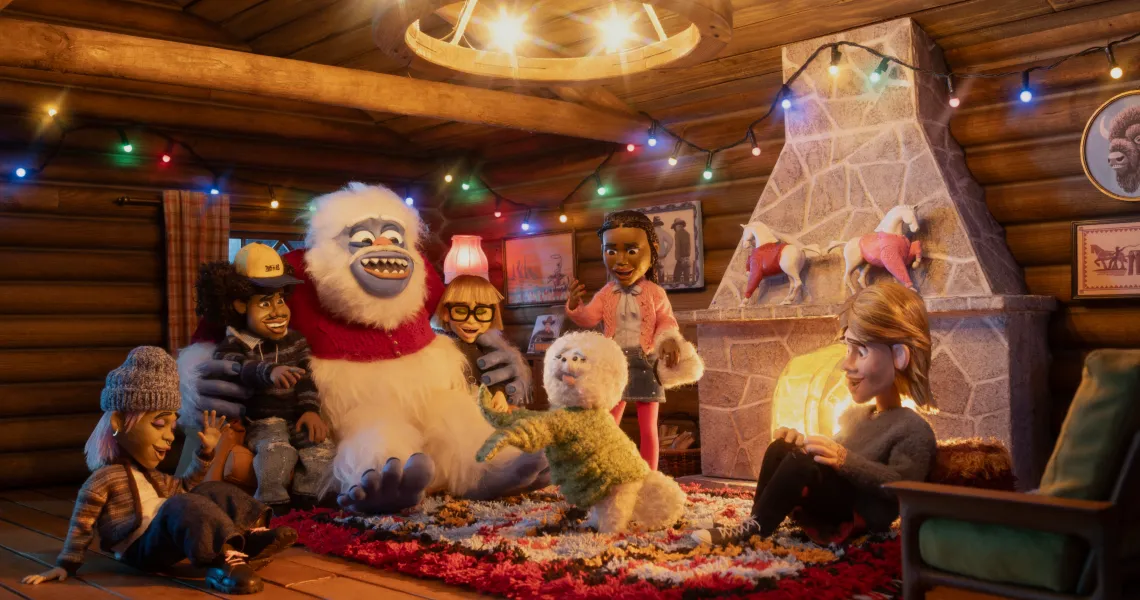
In an era dominated by algorithmic speed and synthetic media generation, the most arresting holiday campaigns this season shared a curious commonality: they looked decidedly, painstakingly handmade.
When brands as diverse as E.l.f. Cosmetics, Levi’s, and Chewy unveiled their seasonal creative, they deliberately bypassed frictionless digital gloss in favor of physical texture. Through miniature sets, tactile felt, stop-motion animation, and visibly constructed worlds, each campaign traded high-tech polish for human touch. This creative pivot was not merely a nostalgic nod to classic Rankin-Bass specials. It was a strategic positioning statement.
Marketers frequently confuse technological efficiency with cultural resonance. Generative tools have made visual generation faster and cheaper than ever, but they have also introduced a creeping visual monotony. Feeds are saturated with seamless, weightless content that washes over viewers without leaving a mark. When everything looks effortless, effort itself becomes the differentiator.
Tactile storytelling carries emotional weight because audiences instinctively understand the labor behind it. The physical friction of hand-built sets communicates intentionality. For a digitally native powerhouse like E.l.f., adopting artisanal, stop-motion style codes injects holiday warmth into a disruptive beauty brand. For Levi’s, physical texture reinforces the foundational brand equity of denim: durability, stitching, and human wear. And for Chewy, the handcrafted aesthetic translates pet ownership into tangible, domestic charm.
What does this signal for brand leaders heading into future creative cycles? When technological capability becomes a commodity, human craft becomes a premium signal. Consumers are not looking for more synthetic perfection during moments of genuine emotion. The brands that win cultural mindshare will not be those that produce content the fastest, but those that demonstrate they cared enough to build something real.