Consider what happens when a consumer stops searching and starts delegating. Instead of opening multiple browser tabs, scrolling social feeds, and comparing price points, they simply instruct an artificial intelligence agent to handle the task from discovery to checkout.
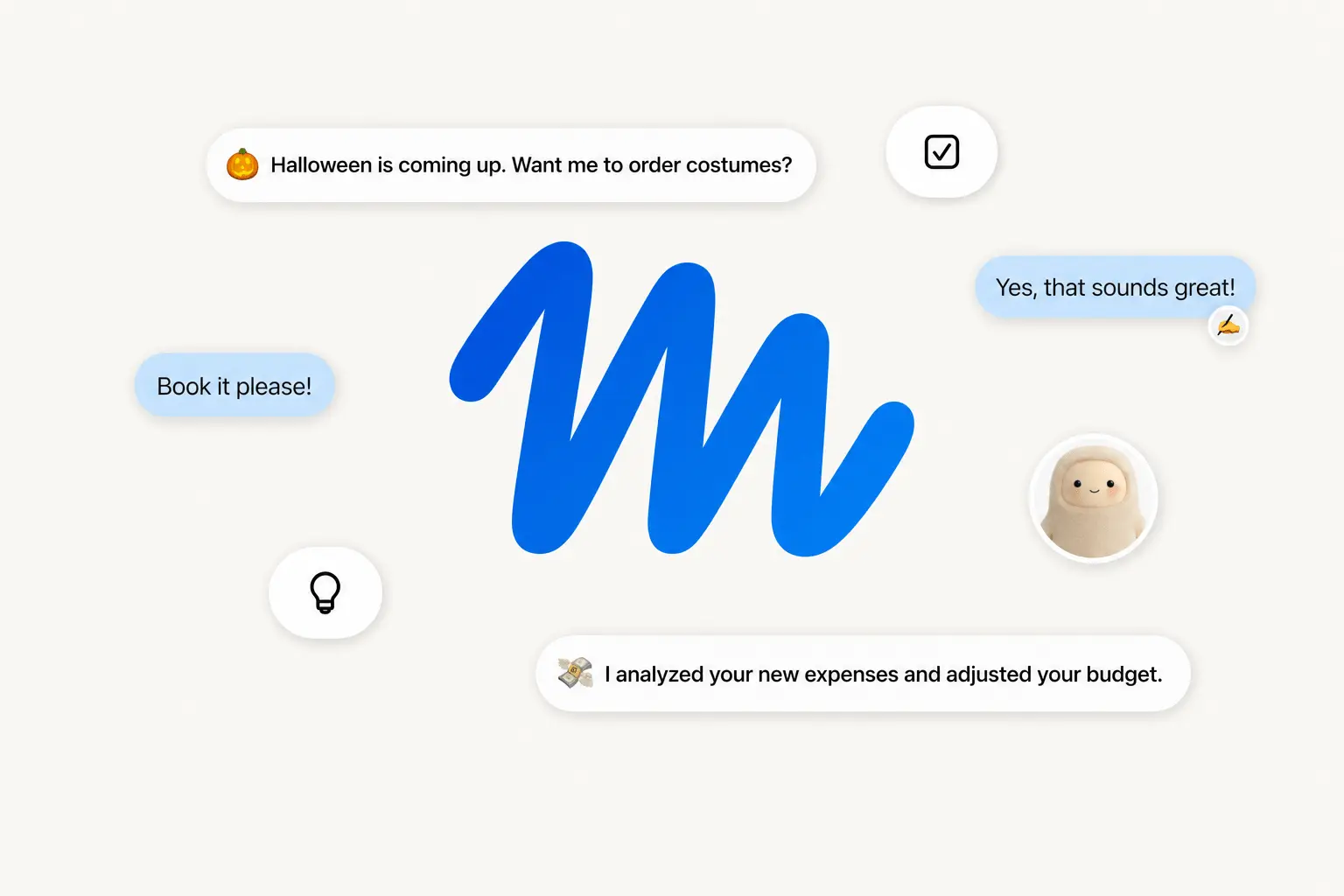
That scenario moved closer to reality with Meta’s unveiling of Muse, an autonomous personal AI agent powered by its Muse Spark model family. Unlike conventional chatbots that merely synthesize answers, Muse is designed to execute actions across connected services, navigate the web inside a secure environment, retain historical preferences, and proactively suggest next steps.
For marketing leaders, the emergence of an autonomous intermediary fundamentally challenges modern discoverability. For two decades, digital marketing relied on human friction: consumers browsing, clicking, and evaluating options across brand-owned touchpoints. When an agent handles those steps, the customer journey compresses, narrowing the field upstream before a person ever sees an alternative.
Yet this does not render traditional brand building obsolete. In fact, it clarifies its true purpose. There is an enormous strategic difference between prompting an agent to “find running shoes” versus instructing it to “order a pair of Nikes.” When durable brand preference exists, the AI functions as a transactional utility. When brand equity is absent, a company is left at the mercy of whatever criteria an algorithm uses to filter the market.
This dynamic effectively splits the marketing funnel into two distinct audiences. The human layer remains rooted in emotion, aspiration, and cultural resonance. People must still care enough to specify your brand by name. Meanwhile, the machine layer demands absolute operational clarity. If an AI agent cannot easily verify inventory, interpret product feeds, validate review sentiment, and transact through dependable APIs, your brand simply will not be considered.
The stakes are particularly high for Meta, which already dominates consumer attention across Instagram, Facebook, and WhatsApp. How this affects commercial models remains unsettled. While Meta has not confirmed advertising formats within Muse, executive Alexandr Wang told CNBC that commerce-related transactions represent an attractive business model for the product.
Marketers should avoid chasing reactionary tactics, but they must recognize the structural evolution taking place. The challenge ahead is twofold: building memorable affinity that shapes human intent, while maintaining the technical infrastructure required for autonomous software to act on it.