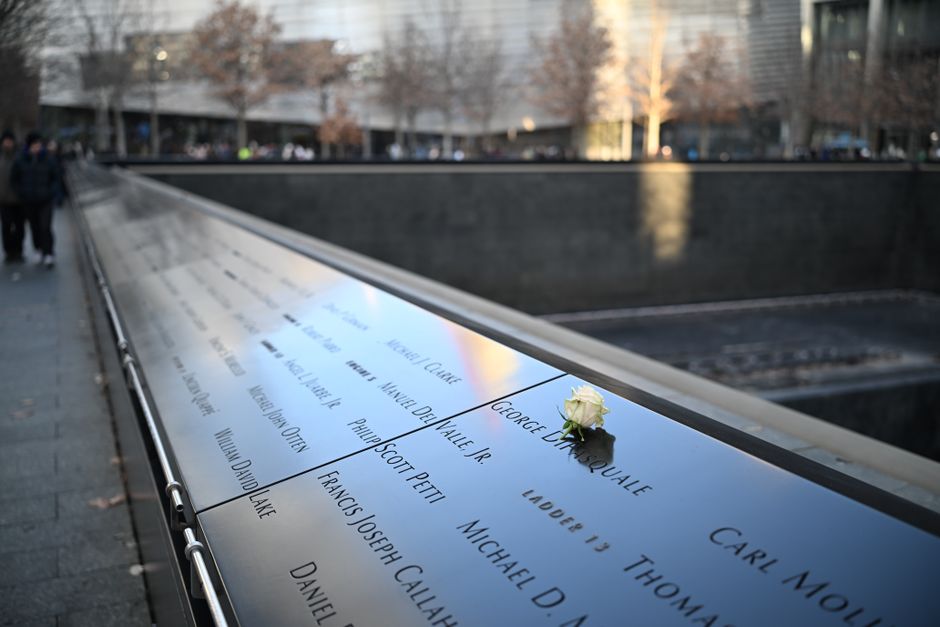
There is a profound cultural difference between remembering an event and learning about it. For more than two decades, the communications surrounding September 11 relied on a shared, visceral emotional baseline. The rallying cry of ‘Never Forget’ carried immense weight because the public possessed an active memory to protect. Communicators did not need to construct context around the shock, the grief, or the silence that followed. They simply had to evoke it.
Yet as the 25-year milestone approaches, the 9/11 Memorial & Museum faces an inevitable strategic crossroads. An entire generation entering adulthood has no personal recollection of that day. For Gen Z and the emerging Gen Alpha, 2001 is not a vivid collective trauma; it is history, sitting alongside mid-century milestones in school textbooks. When your core message relies on memory, what happens when your audience has nothing to remember?
This transition highlights a challenge familiar to many institutional communicators: navigating the gradual sunset of organic cultural context.
To bridge the divide, the museum’s evolving public strategy moves away from passive commemoration toward active, educational engagement. That requires meeting younger audiences where they live, through digital learning initiatives, interactive platforms, and modular digital storytelling. More importantly, it requires shifting the core narrative. Instead of focusing solely on the tragedy, the institution is elevating stories of community recovery, moral courage, and public service. For a younger demographic deeply invested in social empathy and community impact, those values provide an intuitive entry point.
There is a valuable lesson here for any brand or legacy organization wrestling with demographic turnover. Relying on inherited reverence is a depreciating asset. Nostalgia only works on those who lived through the era being celebrated. When an audience ages out, organizations cannot simply repeat historical talking points louder or assume emotional investment. They must translate foundational principles into contemporary relevance.
The task is not to dilute the gravity of the past, but to ensure its meaning endures in an unfamiliar world. By shifting from historical preservation to active civic education, the Memorial is demonstrating that enduring narratives survive not by standing still, but by learning how to speak forward.