When John Sylvia hung a tongue-in-cheek sign reading “No influencers” inside his Nantucket artisan boutique, the Four Winds Craft Guild, he inadvertently ignited a national conversation. The fixture drew national headlines and split social media into opposing camps, from frustrated locals applauding the boundary to lifestyle creators feeling singled out. While Sylvia intended the gesture as lighthearted satire, the intense public reaction pointed toward something deeper: a genuine cultural exhaustion with the pervasive mechanics of modern content creation.
For brand builders, this cultural friction lands at an intriguing moment. The creator economy is hardly shrinking. According to data from the Association of National Advertisers, U.S. ad spend in the creator space is on track to reach $43.9 billion by 2026. Research from Sprout Social indicates that over 80% of marketers plan to increase their influencer commitments over the coming year. Consumer behavior still leans heavily into creator influence, with 72% of younger audiences following online personalities and 58% having made a purchase driven by an endorsement. Brands like Crocs and American Eagle continue to center creators within their media mixes.
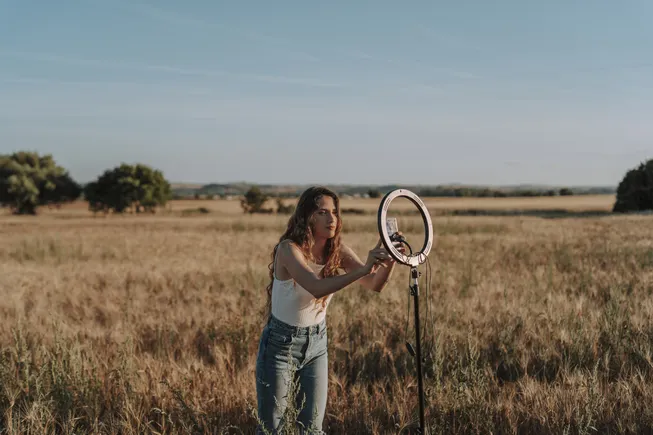
Yet, the tension in the ecosystem is undeniable. More than half of creators with at least 500,000 followers report an ongoing struggle to balance brand expectations with what their communities actually want to see. As Hew Loyd, CMO of Whisker, points out, influencer irritation manifests in two distinct ways: physical intrusion and digital saturation. In the physical world, someone setting up a tripod and ring light in a dining room turns a shared public experience into an intrusive personal stage. On social platforms, the issue stems from an overabundance of sponsored messaging that crowds out original thought.
This feed fatigue is rarely driven by top-tier stars, but rather by the precarious economics of mid-tier and micro-creators. As Mathew Micheli, co-founder of Viral Nation, observes, creators working with smaller fees must churn out high volumes – often posting 30 to 60 times a month – to sustain their livelihood. When platforms flood with low-value product placements, audiences disengage. Whisker manages its influencer network in-house, a practice embraced by only 16% of brands, allowing them to prioritize creator suitability and niche alignment over sheer follower tallies.
Meanwhile, creators like Mafe Anzures reflect the human cost behind the feed. Scaling from early unboxings to five-figure brand partnerships, Anzures contends with creative burnout while filtering out commentary. As agencies grapple with measurement ambiguity and the looming rise of synthetic, AI-generated personalities, the strategic mandate becomes clear. Influencer marketing is no longer just about distribution volume. The real challenge is finding ways to collaborate with creators that respect the audience’s time, protect brand trust, and enrich the cultural environment rather than cheapening it.