Marketers love to blame diminishing attention spans for underperforming campaigns. The accepted industry wisdom claims audiences will barely tolerate three seconds of video before scrolling away. Yet every weekend, those same consumers happily spend hours bingeing unscripted television and niche internet subcultures. The problem has never been attention span; it has always been the value of what is being offered.
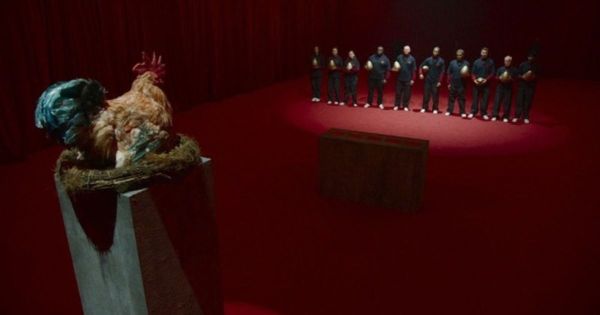
KFC UK directly confronted this reality with “Don’t Crack,” a standalone 30-minute game show special that launched on September 30. Serving as the latest evolution of the brand’s expansive “Believe in Chicken” narrative, the program brought 30 contestants together to endure a series of absurd trials testing their loyalty to fried chicken. Instead of simply buying airtime around prime-time programming, the brand built the programming itself.
The critical choice here lies in casting. None of the contestants are hired actors reciting agency lines. They were selected from an open call across television and social channels asking a singular question: “How Much Do You Believe in Chicken?” More than 50,000 people submitted applications to prove their loyalty, effectively competing for the privilege of championing a fast-food menu on television.
Monica Silic, chief marketing officer at KFC UK and Ireland, captured the strategic calculus behind the move: “We haven’t rented someone else’s audience for this. We’ve put our chicken-obsessive fans on screen, and we’ve given it over 30 minutes rather than ninety seconds, because long-form is what it takes before you genuinely care who wins.”
Silic’s distinction between renting an audience and activating your own goes to the heart of modern media planning. Traditional media buys ensure reach, but they rarely create emotional stake. By treating their customer base as a passionate community rather than an aggregate of data points, KFC transformed basic transactional loyalty into participatory entertainment.
For marketing leaders, the takeaway is hard to ignore. In a world where consumers actively pay subscription fees to bypass advertising, interrupting culture is losing its effectiveness. The alternative is far more demanding, but far more durable: creating work that respects an audience enough to give them an actual show.