For years, mainstream consumer brands treated virtual worlds as an experimental sideshow: a fleeting stunt for a press release, an ephemeral custom map, or a novelty mini-game destined to go dark within weeks. Once the novelty wore off, the brand vanished, leaving little lasting impact on customer habits. Panda Express is rewriting that playbook by treating gaming not as a one-off campaign tactic, but as permanent media infrastructure.
After testing activations across Fortnite and Roblox alongside creative agency The Many and playable media specialist Super League, the fast-casual chain is making virtual platforms an ongoing pillar of its media mix. The shift targets an active ecosystem of over 220 million monthly players, heavily concentrated in the elusive 18-to-34-year-old demographic. Crucially, the move is backed by concrete measurement. An independent study by Super League and Nielsen found in-game exposure drove a three percentage point lift in brand awareness, while consideration grew from 64% to 67% and recommendation rose from 61% to 64%. Perhaps most vital for a restaurant chain, purchase intent jumped five percentage points over a 30-day window.
While 3.6 billion consumers worldwide play video games, the medium still receives only a sliver of modern advertising budgets. The disconnect often comes down to commitment. When marketers parachute in for isolated promotional pushes, they fail to cultivate meaningful familiarity.
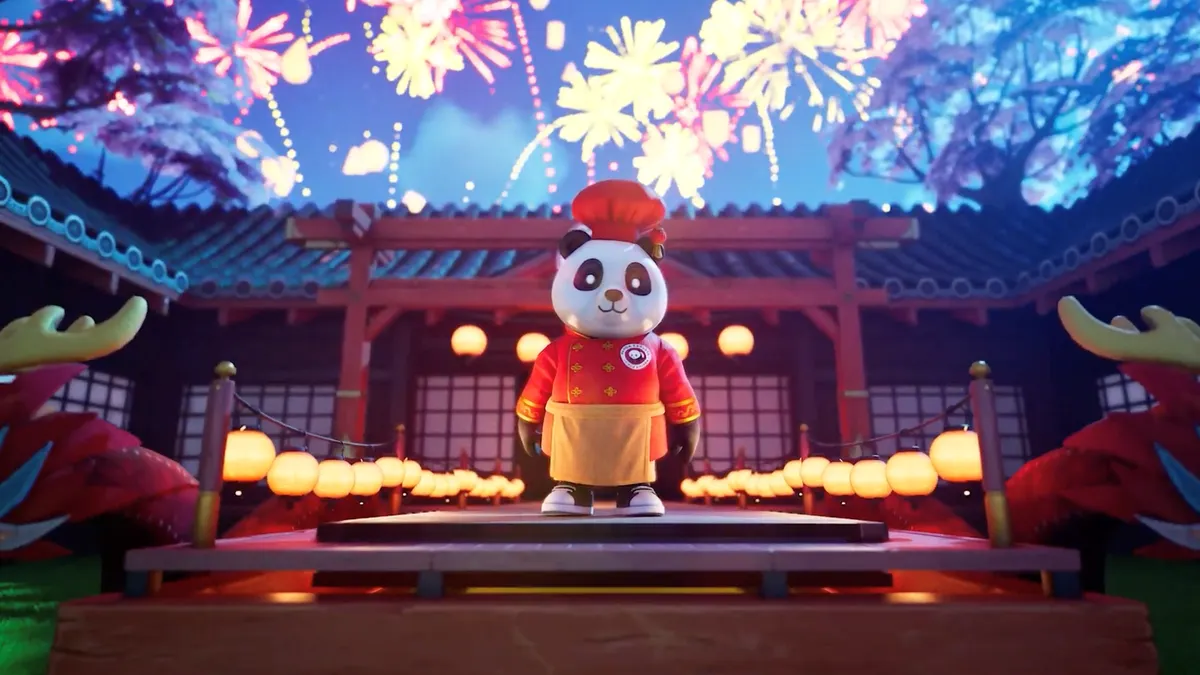
Panda Express found success by blending cultural resonance with genuine utility. Its initial campaign, centered on cultural moments like Lunar New Year and the revival of Hot Orange Chicken, invited players to virtually sample dishes alongside brand mascot PeiPei. The effort generated a 16% engagement rate on Roblox and 537,000 engagements on Fortnite. Rather than packing up when the campaign ended, the brand established permanence. On Fortnite, three integrated maps and continuous virtual billboards now bridge the gap between menu cycles. On Roblox, The Panda Express Obby obstacle course has been remade into a standing destination, complete with non-player characters and rolling seasonal refreshes for autumn and winter.
As Crystal Chou, group media director at The Many, explained, easing into the space intentionally allowed the brand to build confidence until gaming became an expected element of the media plan. Rhiannon Apple, executive vice president of client strategy at Super League, reinforced that repeat investment only occurs when authentic player interest aligns with commercial return.
The broader takeaway for marketers is clear: younger audiences do not inherently reject brand presence in their favorite digital spaces. What they reject is low-effort, transactional tourist behavior. When brands commit to showing up consistently as active world-builders, virtual interactions convert into real-world appetite.